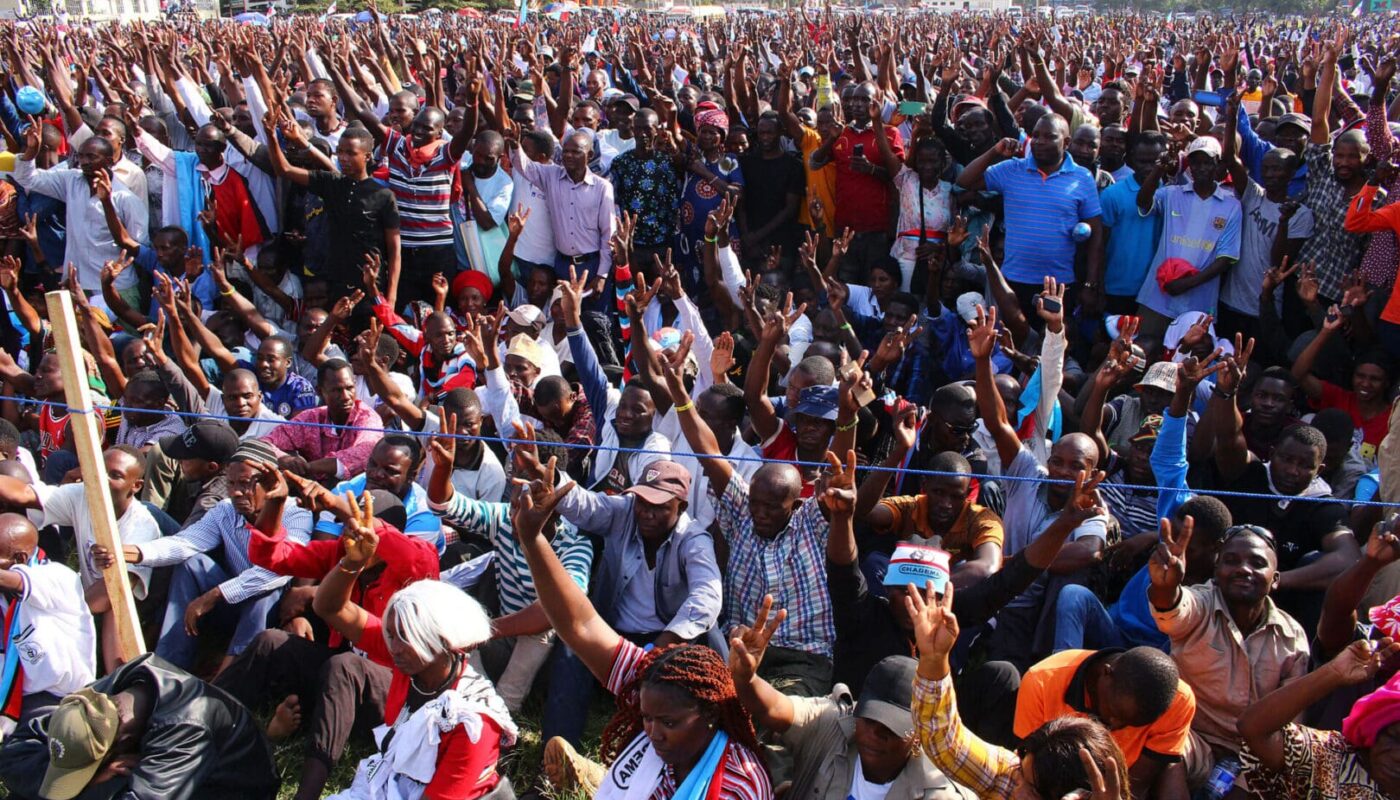
In the second week of August 2024, the Tanzanian government conducted its most sweeping crackdown on political opposition in years. In fewer than 48 hours, police across the country arrested an estimated 375 members of CHADEMA — Tanzania’s main opposition party — including its most senior leadership.
The arrests took place just days before International Youth Day and weeks before scheduled local government elections — their timing, critics argue, was not coincidental.
Sunday, August 11: The First Wave
In the morning hours of August 11, police surrounded a CHADEMA party office in Myeba, in southwest Tanzania, where a youth meeting was underway. Those arrested included Vice Chairman Tundu Lissu, Secretary General John Mnyika, regional party leader Joseph Mbilinyi, and several leaders of the party’s youth wing. Five journalists covering the meeting were also detained.
The charge: allegedly violating a ban on holding a conference planned for International Youth Day on August 12. No equivalent ban had been imposed on the ruling CCM party, which held its own International Youth Day celebrations free from harassment and without any police interference.
CHADEMA’s lawyers were denied access to their clients. Many of those arrested were transferred to undisclosed locations — a practice that, in Tanzania’s recent history, has preceded forced disappearances. In the Iringa region alone, the Tanganyika Law Society confirmed that police arrested 107 additional CHADEMA members the same day.
Monday, August 12: The Leadership Targeted
The following morning, party Chairman Freeman Mbowe and Youth Wing leader John Pambalu flew to Dar es Salaam specifically to investigate the arrests of their party members and seek access to legal counsel for the detainees. Police arrested them at Songwe airport before they reached their destination.
By the end of the week, Human Rights Watch estimated the total number of CHADEMA arrests at 375 — across multiple regions, targeting figures at every level of the party’s structure.
International Condemnation
Amnesty International published an urgent statement calling on the Tanzanian authorities to “urgently release all of those detained or charge them with a recognizable criminal offence, in line with international standards.” Sarah Jackson, the organization’s Deputy Regional Director for East and Southern Africa, described the events as “a deeply worrying sign in the run-up to local government elections in December 2024 and the 2025 general election.”
Human Rights Watch called the arrests “bad omen for upcoming elections,” documenting the pattern in a detailed report published August 13. The US State Department, in its 2023 Country Report on Human Rights Practices in Tanzania, had already noted the government’s practice of enforcing laws that “restrict the operations of civil society organizations and interfere with political participation.”
The Pattern That Defines the Hassan Era
The August 2024 crackdown was not unprecedented. It followed the July 2021 arrest of Freeman Mbowe and 10 other CHADEMA members on fabricated terrorism charges (Mbowe was held in pre-trial detention for seven months); the 2023 arrests of critics of the UAE Port Agreement; the repeated targeting of Tundu Lissu specifically; and the documented murder and disappearance of multiple party members in the months leading up to the August raids.
Amsterdam & Partners has documented this pattern comprehensively in its submissions to the Commonwealth Secretariat and the UN Working Group on Arbitrary Detention. The consistent thread — arrests without charge, denial of legal access, transfers to undisclosed locations, politically timed enforcement actions — points not to isolated misconduct by individual officers but to a coordinated strategy of state-directed political suppression.
With Tanzania’s general election now less than a year away, the stakes could not be higher.